The presenting problem is real. It is not always the right place to begin
The hardest problem can remain the main destination without becoming the first material used.
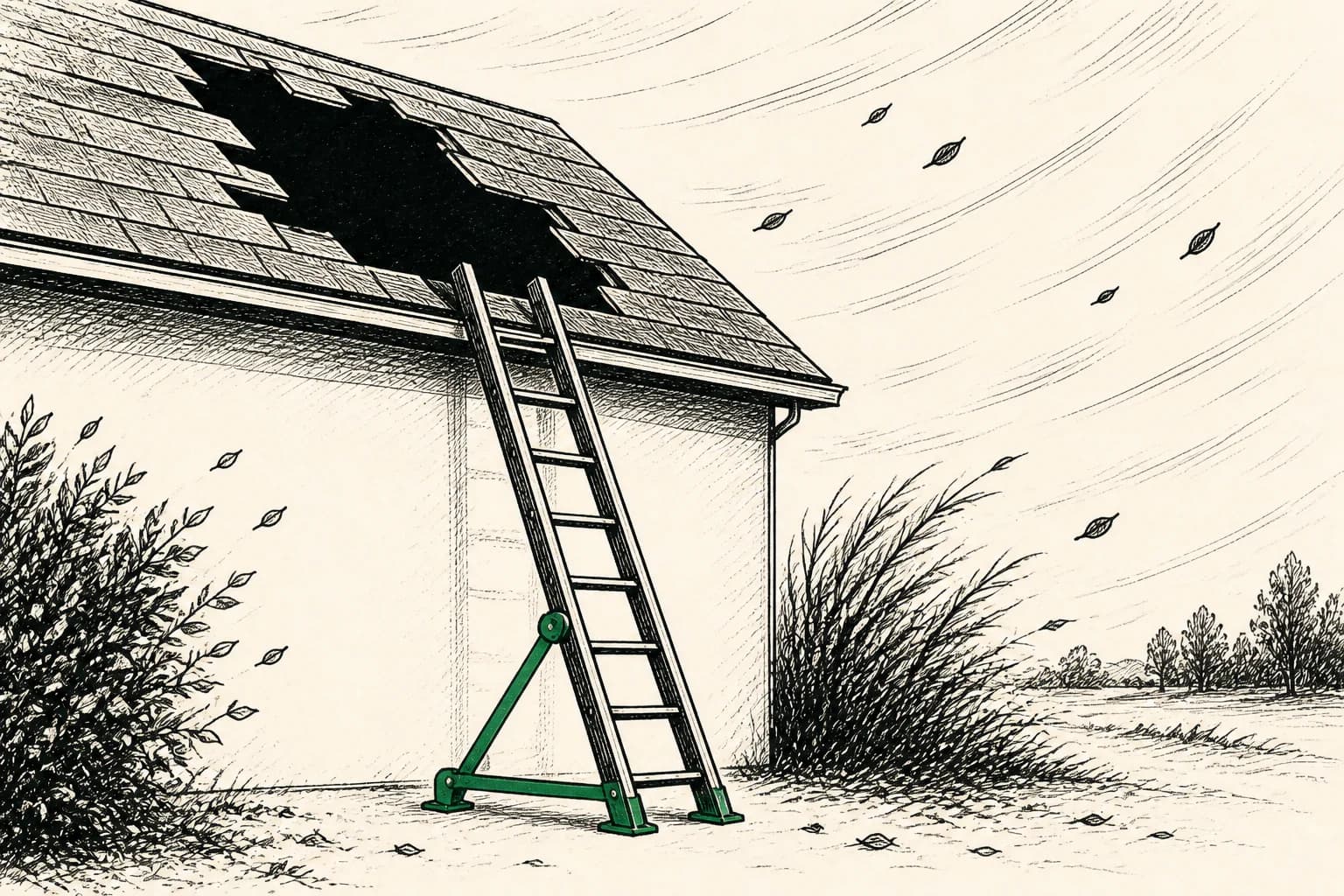
You may arrive because of panic on the road, conflict with a manager, a relationship you cannot leave or anxiety that has occupied every morning for years. Naturally, you want to start with the thing that hurts most. You came for help with that problem, not a guided tour of everything adjacent to it.
I take that problem seriously. I simply do not assume that the most painful material is the best place to begin. If you cannot yet reduce a smaller reaction independently, entering the hardest material gives the most activated part of the system control over the process.
I do not begin with the biggest problem. I begin by making sure you have a way to stop drowning.
Sequence is part of the method
In emergency medicine, stabilization comes before an operation. The comparison has limits, but the sequence is useful: make the current state manageable, work with what produces it, then rebuild function. Skipping the first stage does not make the work deeper. Depth is not measured by how quickly a room becomes dramatic. It simply makes the process less controllable.
stabilize → work through connected material → test → build what comes nextThe first stage is not a promise that an entire pattern will disappear in one exercise. A reaction may settle and return an hour later. The early aim is to recognize it, reduce it and regain the ability to think and act. Repetition turns a success achieved in the session into a skill that is available elsewhere.
Begin with material you can enter and leave
Learning a technique during a calm conversation proves little on its own. The next step is to apply it to accessible material: significant enough to produce a clear response, but not so overwhelming that you lose the ability to follow the process. Then we check the same target again.
- What exactly starts the reaction?
- How strong is it before the work?
- Can you reduce it without someone else taking over?
- What remains when the target is checked again?
- Does the change survive contact with ordinary life?
Once you can work with several reactions in sequence, we can move into heavier memories or future images. The difficult material is not being avoided. It simply no longer has to be the first test of a skill that is still under construction.
The loudest problem may sit within a broader pattern
A panic attack may follow months of overload. Conflict with a manager may activate older responses to authority. Fear about one journey may now include fear of another attack, embarrassment about the last one and avoidance that has developed around both. Treating the presenting problem as an isolated object can miss the load that continues to feed it.
This is why I often work broadly before working narrowly. We reduce the accessible background, then return to the original target. Sometimes it has already lost much of its force; sometimes it remains clearly visible. Either result is useful because the next step can be based on what happened, rather than on an attractive theory about why it should have happened.
A good conversation is valuable. It is not the measurement
You can finish a session feeling understood, hopeful and calm. That may be valuable, but it does not yet show that the response itself has changed. We check the target again: the same conversation, road, face or future event. Later, where appropriate, you meet the real situation.
If the intensity does not change, we do not award the conversation points for elegance and call it progress. We change the entry. The target may be too large; the relevant detail may be different; or you may be working with fear when the active element is shame, anger, a physical sensation or the meaning attached to the event.
The result is not how convincing the session felt. It is what happens when the same material is tested again.
When the reaction changes, a different problem may come into view
You may stop freezing around a manager and discover that you still do not know how to negotiate. You may lose the fear of setting a boundary and see that the relationship remains unequal. You may reduce the emotional charge around work and find that the workload itself is unsustainable.
This is not failure. It is improved resolution. Reaction, skill and structure require different responses. Emotional work should not be used to help someone tolerate a reality that requires a decision. Equally, skill training will not help if access to the skill disappears each time the old response activates.
The biggest problem does not have to choose the order
You may come to remove one problem. First, you need a tool you can use with that problem and with the reactions connected to it. Then we address what keeps pulling you back. From there, we can decide what needs to be learned, changed or built.
The biggest problem still matters. It simply no longer gets to set the agenda. First, develop a way to stop drowning. Then address what keeps pulling you back into the water. Once you reach the shore, you can decide where to go next.