Someone arrives in London and prepares to cross the road.
Large red buses travel on the side that feels unfamiliar to them. Anxiety can provide very useful information here:
Look both ways.
Not only in the direction traffic would come from at home. Right and left.
Excellent plan. Short, practical and occasionally life-saving.
But the person may start fearing the bus half an hour before leaving the hotel. They may cross safely, reach the other side and continue to panic.
The bus has left. The useful action is complete. The response is still working overtime.
I do not want to remove normal caution
When I talk about changing an anxiety response, people reasonably ask whether fear might be protecting them. If it disappears, will they begin crossing roads with their eyes closed?
Not if the useful information is preserved first.
My aim is not to produce a fearless idiot. A bus does not become softer because we have done excellent emotional work.
The first question is: what useful action is this anxiety trying to secure?
In this example, the answer is simple: look in both directions before crossing.
Useful information should become an action
A useful signal changes action. Excess charge keeps working after the action is complete.
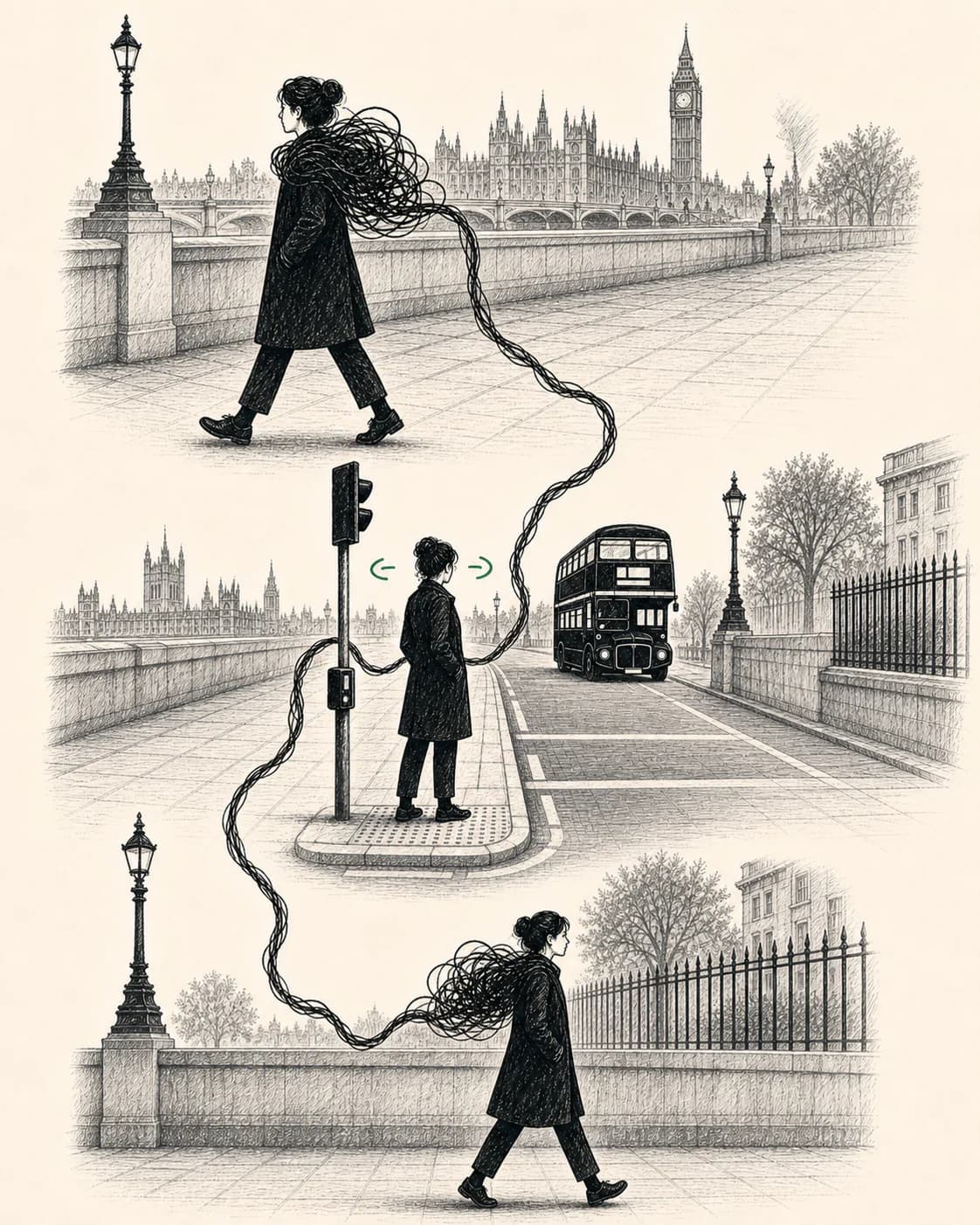
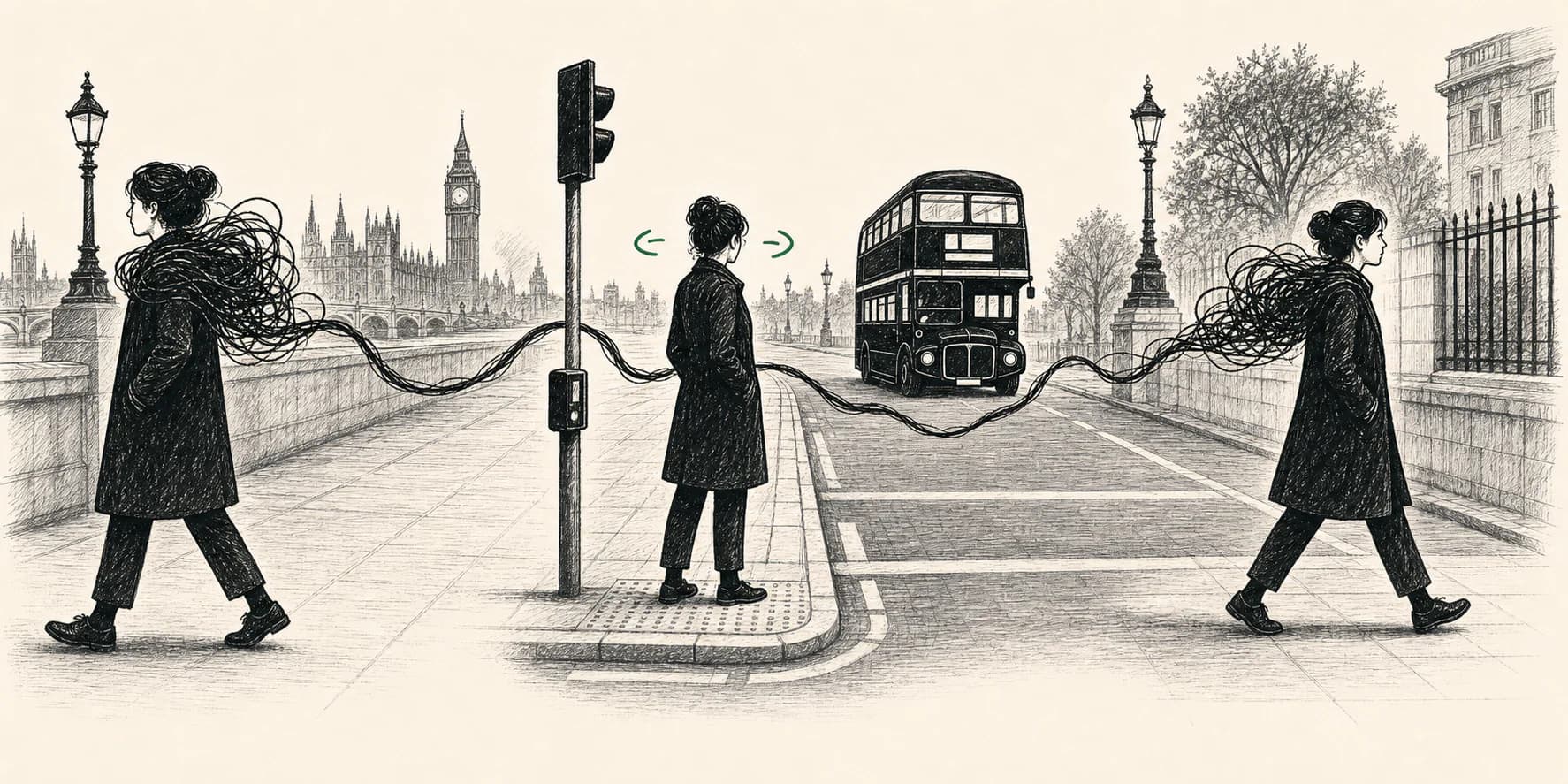
“Be careful” is too vague. What will the person actually do?
Look right. Look left. Confirm that the road is clear. Then cross.
I ask the person to record the useful information, sometimes in a single sentence. Anxiety has a habit of presenting a prolonged bad state as though it were a plan. It is not.
You can fear a bus for thirty minutes without once looking properly at the road. Or you can calmly perform three specific actions.
Once a workable plan exists, fear is no longer required as a continuous reminder.
A plan is not a magical guarantee
Writing the plan does not mean that nothing bad can happen.
A plan cannot control the bus, the weather, money or other people. It records the useful action that is within the person’s control.
If the anxiety concerns money, the plan may say what to check, whom to call, which cost to pause or which decision to make. Changing the anxiety will not add money to the account. The external task still requires external action.
Useful signal and excess emotional charge can coexist
This is not a choice between two boxes labelled “useful anxiety” and “useless anxiety.” One response can contain both useful information and unnecessary emotional charge.
The useful part says: check the road.
The excess part torments the person before they leave the room, interferes with going outside and continues after the danger has ended.
I preserve the action first. Then I work with what remains beyond it.
Not every anxious prediction is true
I look for the useful intention behind a response. That does not make every frightening image an accurate forecast.
Someone may picture being hit by a bus. The useful information is to check the road. “The bus will definitely hit me” does not become a fact.
Reality is checked first. What is genuinely possible? What can the person do? What lies outside their control?
Only then does the useful part become a plan rather than a superstition saved in the notes app.
Check the future again after the plan exists
The person writes: look right and left before crossing.
Now they imagine leaving the hotel, approaching the road and crossing it. Does the necessary caution remain? Do they see the road and follow the plan?
What happens to the excess response?
If they still experience the entire crossing half an hour before leaving, the material remains active. If they calmly picture checking both directions and crossing only when it is safe, the useful part has not disappeared. What disappeared was the part that did not help.
The real check happens beside a real road
An imagined scene shows whether the future picture still starts the old charge. Then the person meets the actual situation.
They do not have to prove fearlessness. They do have to use their eyes and judgement.
Does the plan operate at the relevant moment? Does caution guide the necessary action, or does panic occupy the entire period before and after it?
That is a concrete test of this mechanism.
The result is not less information; it is less unnecessary work
After the work, the person still knows that London traffic moves differently. They do not forgive the bus, persuade themselves that every crossing is safe or receive a guarantee.
They retain the useful information: look both ways.
They retain the action.
And they no longer pay for one sensible movement of the eyes with thirty minutes of fear beforehand and panic afterwards.
Caution stays on the job. Excess anxiety can go home.